Why Table Manners Carry More Weight Than You Expect

Restaurant etiquette in Japan, and table manners in Korea, matter on a first date because the meal is the setting for the entire conversation. A shared dinner is usually where a first meeting arranged through AsianMatch actually happens, and small courtesies - how you pour a drink, where you rest your chopsticks, how quietly you speak - signal respect faster than any compliment.

None of this requires fluency in local custom. It requires paying attention. This guide covers the etiquette that matters most in Japan, the table manners that shape a Korean meal, a short rulebook for chopsticks that applies across both countries, and the mistakes Western men make most often at a first restaurant date.
Country guide

Restaurant Etiquette in Japan

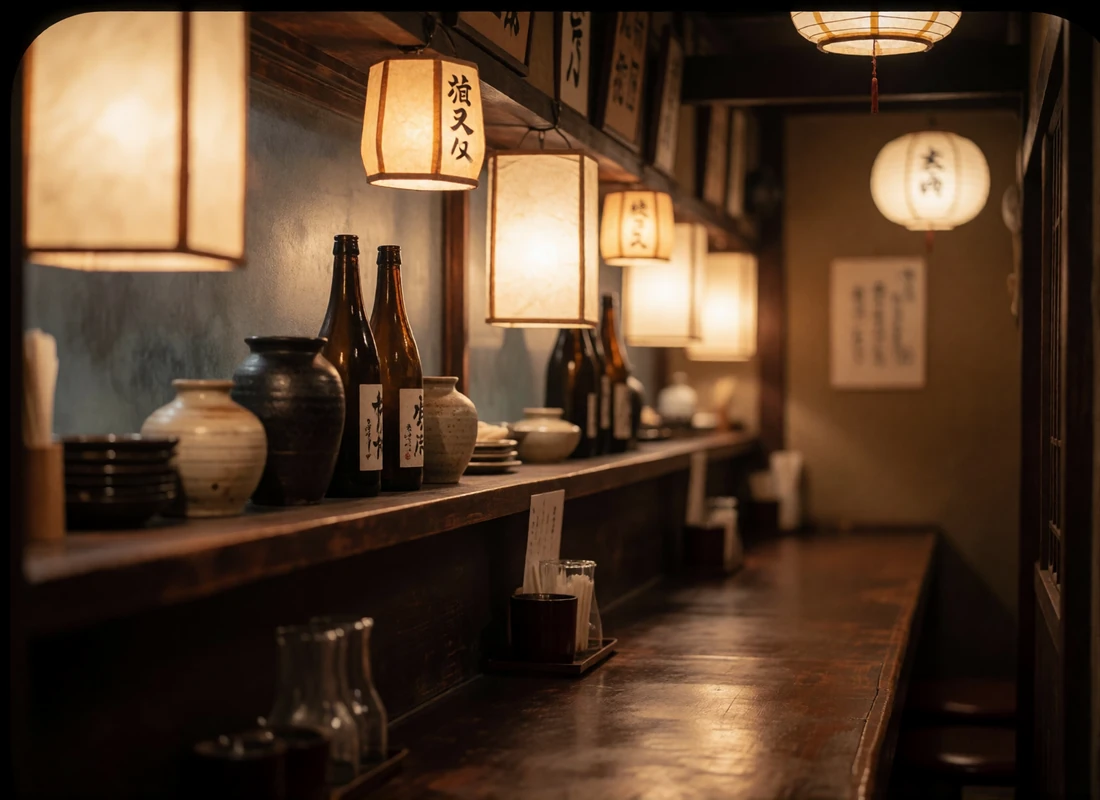
Interior of a traditional Japanese izakaya with a dark timber counter and warm paper-shaded lamps

A hot or cold oshibori towel usually arrives before the meal - use it on your hands only, then set it aside rather than treating it as a napkin throughout dinner. Say itadakimasu quietly before the first bite; it is a simple acknowledgment of the meal, not a formal speech.

Pour for your companion rather than filling your own glass, and let her top up yours in return. Chopsticks never stand upright in rice, and tipping is not part of the culture in Japan - a genuine thank-you at the register matters more than cash left on the table. Keep your voice low; Japanese restaurants tend to run quiet, and a lowered volume reads as consideration rather than shyness. For where to hold this kind of dinner, our guide to date ideas in Tokyo, Bangkok and Singapore covers the practicalities of choosing a venue. If Japan is the community you are focused on, browse Japanese Dating to see who you might meet for a meal like this.

Country guide

Table Manners in Korea

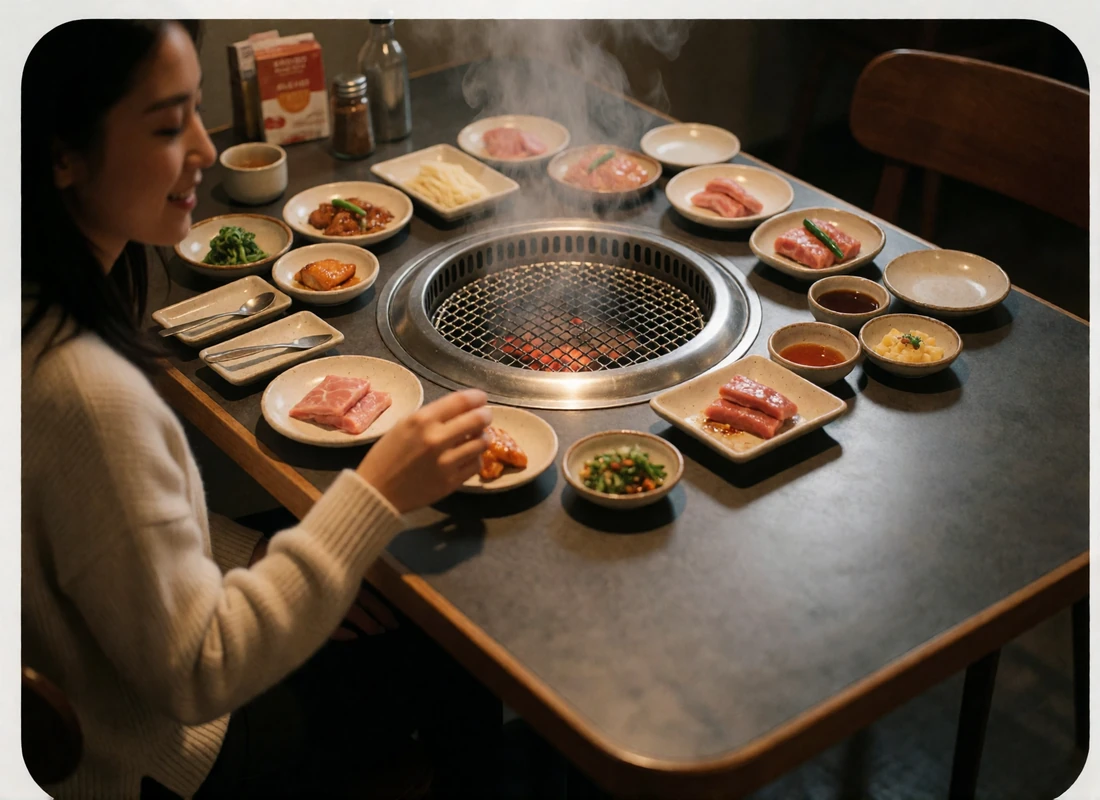
Korean barbecue table with a central grill and small shared side dishes, seen from a high angle

Table manners in Korea often start before the first dish is even served: wait for the eldest person at the table, or your host, to pick up their spoon before you begin. Pour and receive drinks with both hands, or with one hand supported lightly at the wrist by the other - a small gesture that reads as genuine respect rather than formality.

When you drink, it is customary to turn your head slightly away from an elder or a senior figure at the table. Use the spoon, not chopsticks, for rice and soup, and reach for shared banchan with the understanding that everyone at the table eats from the same small dishes. Who pays tends to follow whoever proposed the meal, though a light offer to cover it yourself is always welcome. Explore Korean Dating if Korea is where you are hoping to meet someone for an evening like this.

Chopstick etiquette

Chopstick Etiquette: The Rules That Actually Matter

Chopstick etiquette is shared across most of the region, so learning it once serves you well in both Japan and Korea.

  • Never stand chopsticks upright in rice

    Upright chopsticks echo a funeral offering in both Japan and Korea. Rest them flat on the holder or across the rim of your bowl instead.

  • Never pass food chopstick to chopstick

    Passing food directly between chopsticks mirrors a funeral ritual for transferring bones. Set the item on a small plate instead.

  • Never point or gesture with them

    Waving chopsticks while talking, or pointing them at your companion, reads as careless. Put them down whenever you are not actively eating.

  • Never spear food on the tips

    Stabbing a piece of food to lift it looks impatient. Use a gentle pinching motion, and ask for help if something proves hard to grip.

  • Use the serving pair for shared plates

    Shared dishes usually arrive with a separate serving utensil. If none appears, turn your chopsticks around and use the clean ends.

  • Rest them on the holder between bites

    Laying chopsticks across a small rest, rather than on the table or in the bowl, is the simplest way to look composed through the meal.

What to avoid

Common Mistakes Western Men Make

Most first-date missteps are small and easily fixed once you know to watch for them.

  1. Over-ordering to impress. A long list of dishes can overwhelm the table and go to waste. Order a few shared plates first, then add more once you see what she enjoys.
  2. Tipping where it causes discomfort. Service is typically built into the bill in Japan and Korea, and cash left on the table can prompt a server to chase you down to return it.
  3. Dominating the conversation. A first dinner works best as an exchange, not an interview. Ask questions, then let a pause sit instead of filling every silence.
  4. Insisting on an awkward bill split. Reaching for a calculator at the table rarely lands well on a first date - our guide to first-date safety planning covers how to think through the evening ahead of time.
  5. Choosing a venue too formal for a first meeting. An overly formal restaurant adds pressure neither of you asked for; a relaxed, moderately busy spot in one of the safe first-meeting cities usually works better.

Where to start

Explore These Destinations

Two communities where this kind of dinner date is a natural next step.

Quick answers

Frequently Asked Questions

Should I tip in Japan or Korea?

No. Tipping is not part of restaurant culture in either country and can create confusion or mild offense. Prices already reflect the service, so simply pay the amount shown at the register or table.

Who pays on a first date?

There is no fixed rule, but many first dates in Japan and Korea follow the pattern of whoever suggested the restaurant covering the bill, with the other person offering to pay next time. Reaching for your card without a production is usually the safest move.

What if I cannot use chopsticks well?

It is fine to ask for a fork, and most restaurants used to international diners will have one on hand. A short, polite request draws far less attention than struggling silently through the meal.

Related guides

Continue Reading

Join Free and Start Planning Your First Dinner Date

Restaurant etiquette in Japan and table manners in Korea are easier to apply once you know who you are meeting. Profiles, emails, live chat and video messages are free on AsianMatch, so you can get comfortable with each other long before the first bill arrives.

How it works